Navigating Cancer Care: Support and Resources for Vietnam War Veterans and Beyond
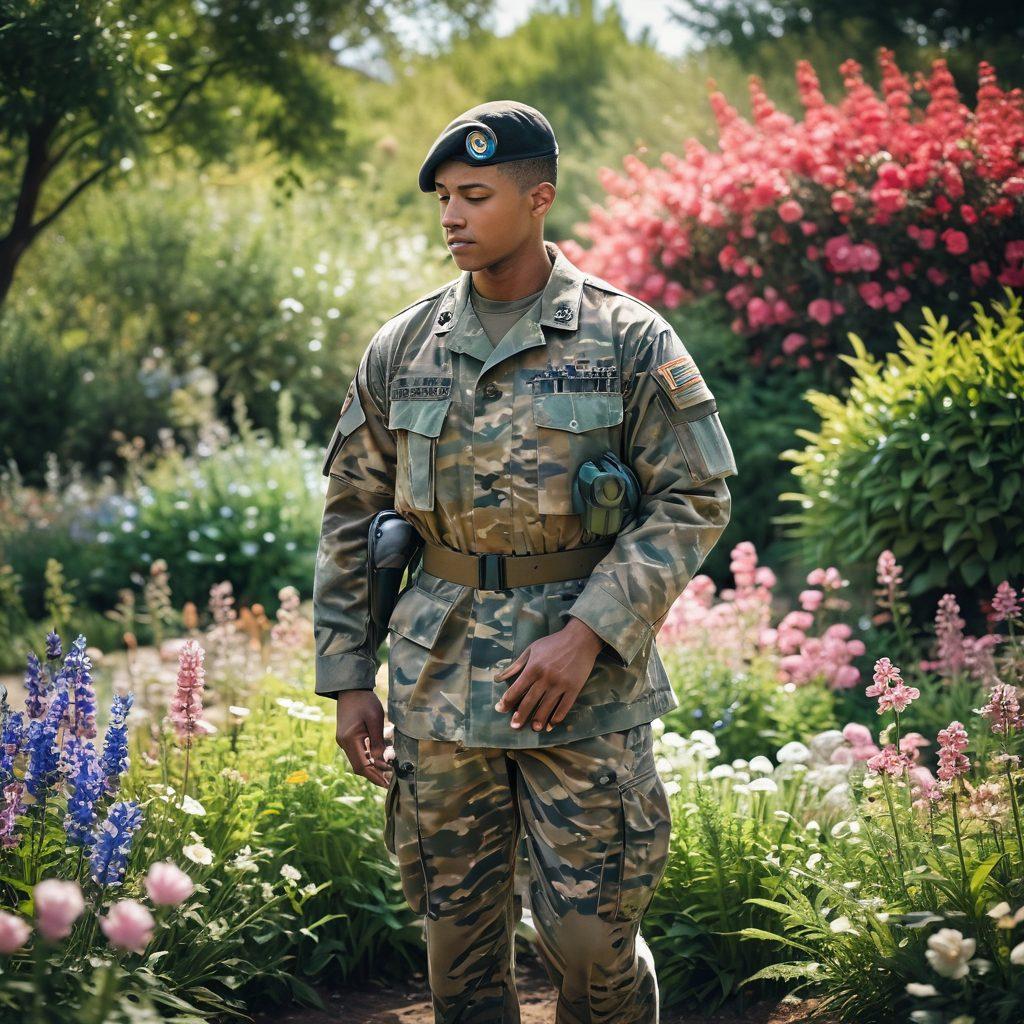
In the narrative of our nation's history, the struggle of Vietnam War veterans holds a unique significance. These brave individuals did not just endure the physical toll of their service; many now grapple with war-related health issues, including cancer. With staggering cancer statistics in the veteran community, it’s crucial to delve into essential cancer support resources specifically designed for these heroes. How do we, as a society, honor their sacrifices and ensure they receive the comprehensive cancer care they deserve? Let’s unpack this complex issue together, because knowledge is empowerment!
Oncology remains a critical field in understanding and treating the various cancers that impact Vietnam War veterans. Research has shown that veterans are at an increased risk of certain cancers due to exposure to Agent Orange and other harmful substances during their service. As these brave men and women age, the need for effective cancer prevention strategies and treatments becomes paramount. Imagine a world where each veteran is equipped with the knowledge of their risks and the resources to combat potential health issues. Whether it’s learning about clinical trials or understanding treatment options, empowering veterans starts with access to accurate information. Who wouldn’t want to be their own best advocate?
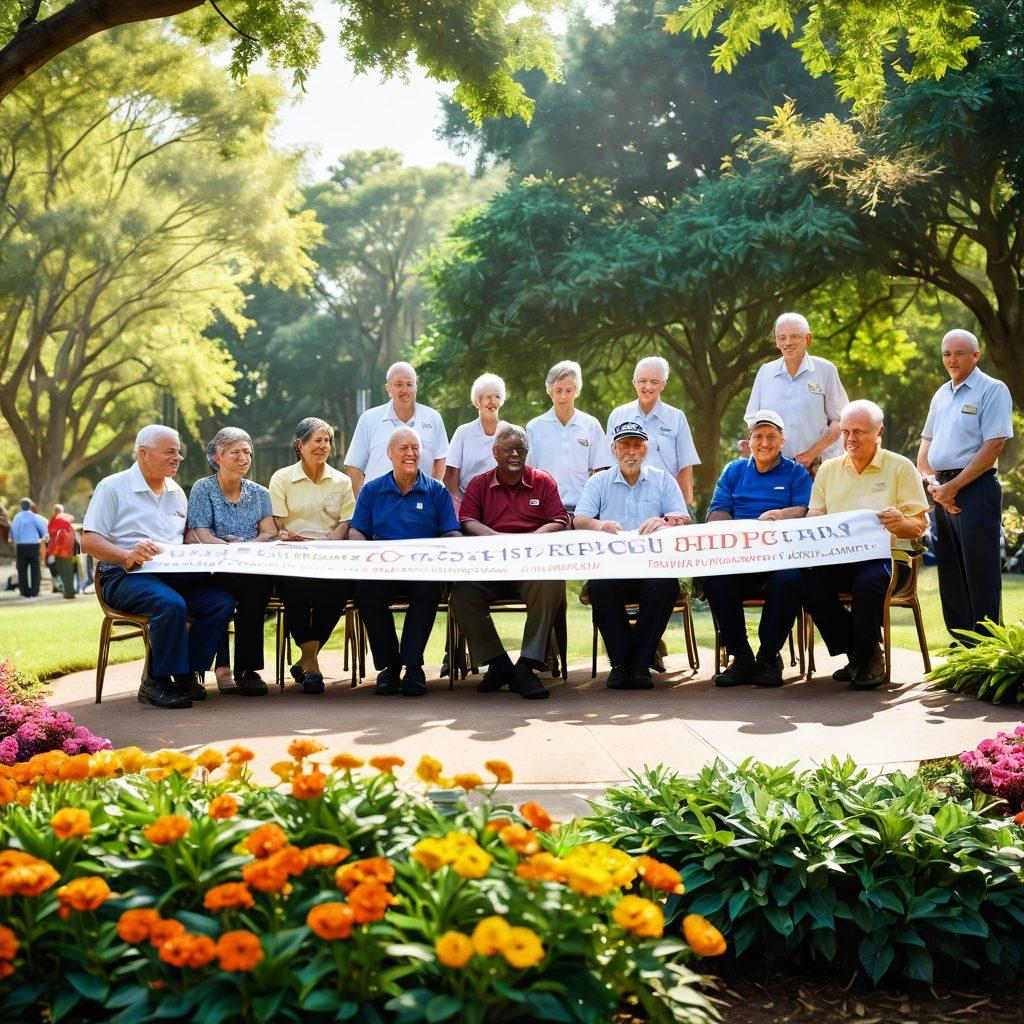
Cancer support isn’t just a buzzword; it’s a lifeline. Organizations dedicated to cancer survivors offer various resources tailored to veterans. These include counseling sessions for those affected by post-traumatic stress disorder, support groups that foster camaraderie, and holistic health approaches to healing that address both physical and mental wellness. Engaging in these networks can be transformative, fostering recovery and resilience among a community that often feels isolated in their struggle. Have you considered reaching out to a local cancer organization or support group? It might just be the connection you need!
In discussing Vietnamese history, we often overlook the long-lasting impact of war on both veterans and their families. As we elevate disease awareness, it’s important to highlight how culture and camaraderie play roles in healing. Engaging veterans in health blogs and community events can bridge the gap between generations, honoring their sacrifices while educating the younger population on the realities their loved ones face. Sharing personal stories of cancer survival can foster hope and motivate others to pursue their health journeys, empowering them to actively participate in their own cancer care. What better way to forge connections than through shared experience?
So, where do we go from here? It’s vital for Vietnam War veterans and their families to be proactive: seek out patient advocacy resources, stay informed about medical research advancements, and always engage with healthcare providers about available options. The journey through cancer care is not a solitary one; it’s a collective effort involving families, healthcare practitioners, and supportive organizations. Let’s continue to champion the rights and health of our veterans, ensuring they receive the love and support they need to navigate not only cancer but life itself. After all, their bravery deserves our unwavering support.
Understanding Oncology for Veterans: Navigating Treatment Options and Prevention
Navigating the landscape of healthcare can be particularly daunting for veterans, especially when it comes to understanding oncology and the array of cancer treatment options available. The journey through cancer care is filled with many choices and decisions that can feel overwhelming. Did you know that Vietnam War veterans face unique war-related health issues, including a higher risk for certain types of cancer? This reality underscores the importance of disease awareness among veterans and their families, empowering them to make informed choices about their health. As we explore the world of oncology together, let’s unravel treatment options and cancer prevention strategies specifically tailored for those who served in Vietnam and beyond.
In recent years, there have been significant advancements in cancer care and oncology, providing veterans and cancer survivors with more hope than ever before. From traditional methods like chemotherapy and radiation to experimental approaches in clinical trials, the options are vast. One question that arises is: how do veterans sift through this overwhelming sea of treatment possibilities? Recognizing the pivotal role of patient advocacy groups and cancer organizations is crucial; they can be invaluable resources, providing information and support to help veterans navigate the complexities of their treatment journey. As the landscape of medical research continues to evolve, veterans can find new therapeutic avenues and hope in previously unexplored routes.
But let’s not forget that prevention is equally vital. Understanding cancer prevention tactics can empower Vietnam War veterans to take charge of their health proactively. Engaging in holistic health practices, from nutritional choices to stress management techniques, can play a role in lowering cancer risk. Have you ever wondered how lifestyle changes might impact your overall well-being? For instance, the correlation between post-traumatic stress disorder and certain diseases emphasizes the necessity for veterans to stay informed about their health. By embracing prevention and early detection methods, veterans can mitigate health risks and enhance their quality of life.
The statistics tell a compelling story. According to the latest cancer statistics, veterans have been reported to face higher rates of certain cancers compared to the general population. Given this data, it begs the question: what can be done to address and improve this reality? Communities and families are encouraged to advocate for comprehensive cancer care programs tailored specifically for veterans. Through education and awareness initiatives, we can work together to ensure that veterans are not only aware of their risks but also equipped with the necessary tools to tackle these fights head-on. After all, informed veterans are empowered veterans.
In conclusion, navigating oncology for veterans is not just about treatment; it’s about fostering a supportive community that acknowledges their unique experiences and challenges. By understanding the nuances of cancer care and prevention, veterans can find their way through uncertainty toward informed decisions about their health. So, let’s work together, share wisdom, and engage in conversations that uplift and educate. The journey through cancer care might be difficult, but with the right support and resources, no veteran has to traverse this path alone. What steps will you take today to be proactive in your health journey?
From PTSD to Cancer Care: Addressing War-Related Health Issues
Imagine this: you’re a Vietnam War veteran, navigating the tumultuous waters of life after service. You’ve faced the unrelenting grip of post-traumatic stress disorder (PTSD), and now, on top of that, you're faced with the daunting reality of a cancer diagnosis. For many veterans, this scenario is all too real. The connection between military service and health issues often goes unnoticed, but it’s critical for the well-being of our heroes and their families. Through this health blog, we will explore the intricate landscape of war-related health issues including PTSD and cancer care, shedding light on the statistics that define this struggle and the support available to those in need.
The Vietnam War didn’t just leave visible scars on the battlefield; it left deep emotional and physical wounds that many veterans continue to grapple with. Did you know that according to cancer statistics, veterans are at a higher risk for certain types of cancer? The combination of exposure to Agent Orange and the stress of combat experience has shown to increase the likelihood of developing various types of cancer. As we dive into Vietnamese history and the repercussions of the war, it's vital to acknowledge that caring for these veterans extends beyond traditional medicine — it involves a comprehensive understanding of their unique experiences and the war-related health issues that accompany them.
Cancer care is no longer just about treatment options; it incorporates a holistic health perspective that emphasizes prevention and lifestyle changes. For veterans, engaging with cancer organizations can offer more than medical interventions – it can provide a supportive community of fellow cancer survivors who understand not only the physical battles but the emotional ones as well. Can you imagine the strength found in shared experiences? Veterans supporting veterans in their fight against cancer is a powerful testament to resilience. The advocacy efforts in this arena call for not just awareness, but action, driving public health initiatives aimed at improving access to cancer support and patient advocacy resources specifically tailored for those who have served.
Every day, there are new clinical trials and medical research aimed at addressing these complex health issues. Meanwhile, cancer prevention strategies that include education about lifestyle choices can offer a way forward. If you’re a veteran, or know someone who is, consider looking into local resources and organizations dedicated to cancer care. Participating in community events or educational seminars could empower you with vital information. Furthermore, understanding your rights and the benefits available for veterans can be a game-changer when seeking treatment options.
In conclusion, the journey from PTSD to cancer care is filled with challenges, but it’s essential for Vietnam War veterans and their families to know they’re not alone. By raising awareness about these war-related health issues and advocating for improved cancer care and support systems, we can honor their sacrifices by ensuring they receive the comprehensive care they deserve. So, let’s keep the conversation going! What steps can we all take to foster better support networks for these brave individuals? What role can you play in the advocacy for health resources? It’s time for all of us to turn awareness into action.